Ecology services
Monitoring and Maintenance
Mitigation only protects badgers and your land if it keeps working — so we monitor, report and maintain it.
Background
Putting badger mitigation in place is only the start. Once a sett has been closed under licence, exclusion fencing installed or an artificial sett built, those measures need to keep working for months or even years to deliver the protection they were designed for. That is what our monitoring and maintenance service provides.
Crown & Burrow carries out regular, structured monitoring to make sure badgers stay safe and your land stays protected long after the active management works have finished. Our approach is built around three things:
- Periodic site visits to observe badger activity and check the condition of every measure on site.
- Clear, written reporting on any new developments, foraging, fresh digging or signs of disturbance.
- Sensible adjustments to mitigation strategy where the evidence on the ground says they are needed.
Maintenance tasks vary with each site. They can include minor repairs to exclusion fencing, replacing failed one-way gates or stainless-steel mesh, replanting vegetation, and adapting habitat features so they continue to suit how the badgers are actually behaving.
Our approach
We treat monitoring as an evidence-led process, not a box-ticking exercise. On each visit our licensed ecologists assess sett status and activity, check habitat stability, and confirm that previously installed measures remain intact and effective.
Every visit produces a record you can rely on. We document what we find, photograph the condition of key features, and flag anything that needs attention — whether that is a fence repair due now or a trend worth watching over the next season. Where a Natural England licence governs the works, our reporting is written to support compliance and give you a documented trail for planners and regulators.
Because badger behaviour shifts with the seasons and with changes in land use around them, we keep our recommendations practical and proportionate. A monitoring programme that made sense at handover may need tightening — or relaxing — a year on, and we will tell you so.
The Problem
When monitoring and maintenance are neglected, the hard-won benefits of earlier mitigation quietly erode. We see the same three failures again and again:
- Unmonitored activity undermines earlier work. Without eyes on the site, badgers can re-excavate, push under fencing or establish new setts before anyone notices — putting both the animals and your project at risk.
- Deferred maintenance breeds recurring problems. A single failed gate or a gap in mesh fencing left unrepaired can turn a one-off cost into a repeating one, endangering badgers and damaging property.
- Neglected habitats create new conflicts. As vegetation, drainage and surrounding land use change, habitat features that once worked can fall out of step with badger needs, creating fresh tension between people and wildlife.
Left unaddressed, any of these can also expose a development to breaches of the Protection of Badgers Act 1992 and the conditions of a Natural England licence — with the delays and liabilities that follow.
Our Solutions
Our monitoring and maintenance programmes are designed to catch these issues early and resolve them before they escalate. We combine routine site inspection with prompt, practical maintenance so that protection is sustained rather than assumed.
In practice that means:
- Scheduled monitoring visits at a frequency matched to your site and any licence conditions.
- Condition checks and timely repairs to exclusion fencing, one-way gates, stainless-steel mesh and artificial or alternative setts.
- Habitat upkeep — replanting and adapting features so they continue to support local badgers.
- Concise written reports that record activity, document compliance and recommend next steps.
The result is sustainable land use that protects both the integrity of your property and the well-being of the badgers sharing it. Crown & Burrow never harms badgers; everything we do is humane, lawful and aligned with long-term conservation standards.
If you have existing badger mitigation in place — or works due to complete soon — talk to us about an ongoing monitoring and maintenance plan. Call 01483 387478 or email badgers@crownandburrow.co.uk to book a survey and we will design a programme around your site.
Common questions
Monitoring and Maintenance — FAQs
Why do badger mitigation measures need ongoing monitoring?
How often do you carry out monitoring visits?
Do you provide written reports for planning or licence compliance?
Our work
Related case studies
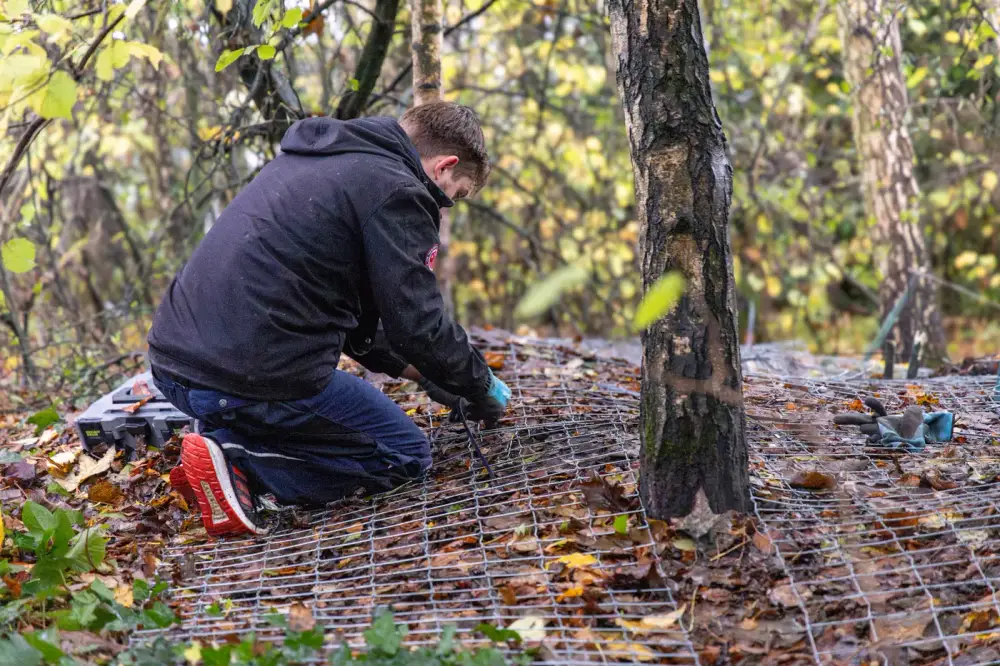
Badger Relocation Behind School Playing Fields
Humane, licensed relocation of badgers from woodland behind a school, keeping children safe and wildlife protected.
Read case study →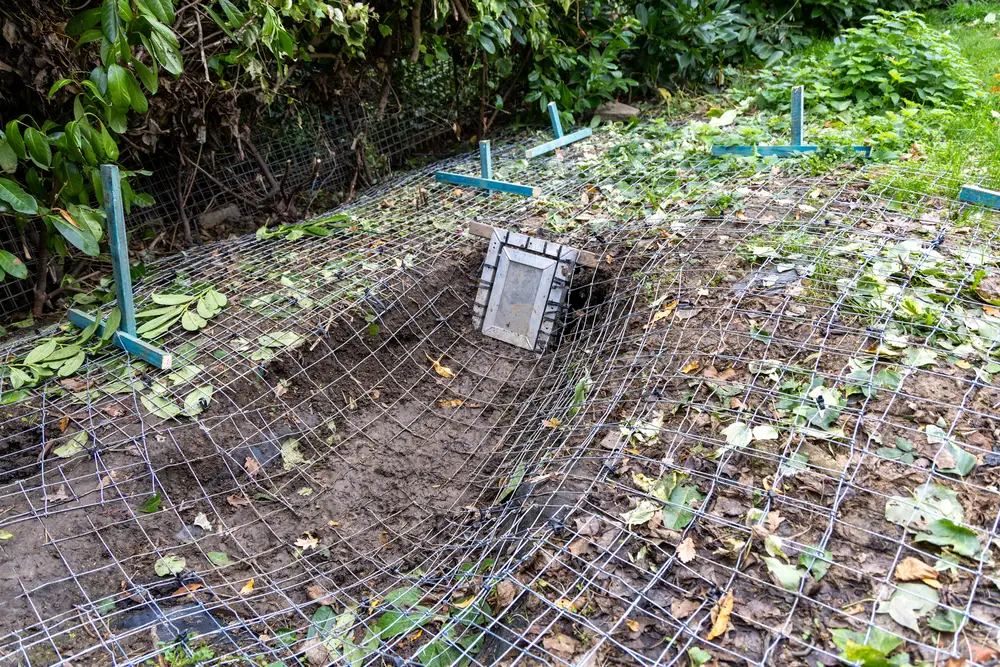
Badger-Proofing a Residential Garden
Nine active sett entrances in a residential garden secured humanely with Natural England-approved one-way gates and mesh.
Read case study →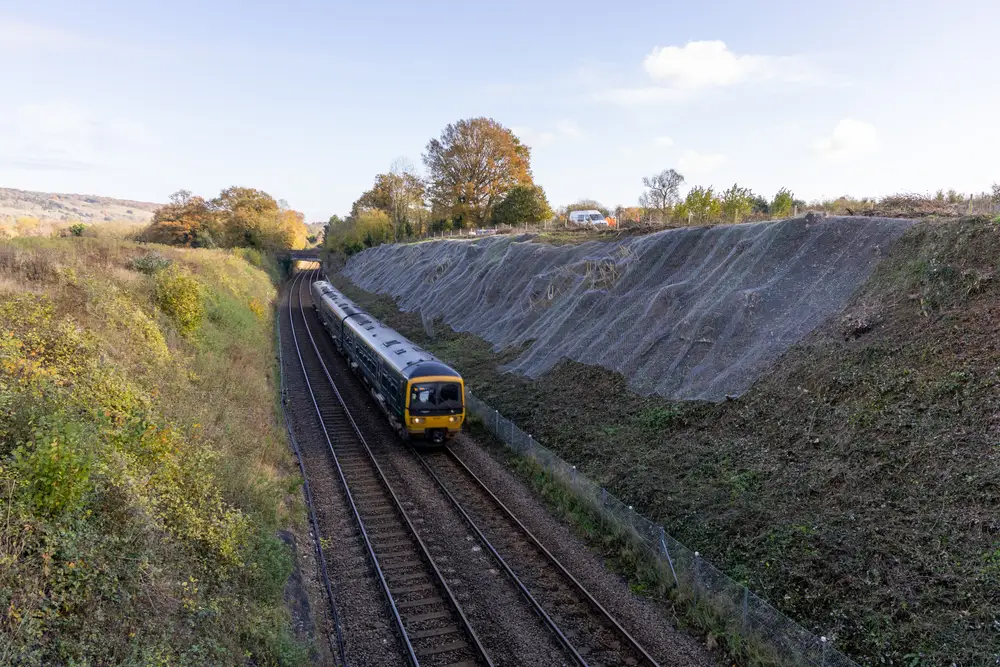
Railway Embankment Badger Sett Closure
Humane, Natural England-licensed closure of badger setts destabilising a railway embankment, relocating badgers safely and securing infrastructure.
Read case study →Protected wildlife on your site?
Book a free virtual survey and we'll advise on the licensed, humane route for your site — fast, compliant, and right first time.