Ecology services
Badger Artificial Setts
When development means badgers must move, we build them a secure, naturalistic sett to call home.
Background
Badgers are among the most strictly protected mammals in Britain. Both the animals and their setts are safeguarded under the Protection of Badgers Act 1992, and it is an offence to damage, destroy or obstruct a sett, or to disturb a badger while it is occupying one, without a licence from Natural England.
Sometimes, however, a sett sits directly in the path of a planned development or a necessary change in land use. In those situations the lawful, ethical answer is rarely to simply remove the badgers — it is to give them somewhere better to go. That is where an artificial sett comes in.
An artificial, or alternative, sett is a purpose-built underground structure designed to replicate the security and function of a natural sett. Built and used correctly, it allows displaced badgers to settle into a safe new home while enabling development to proceed without harm to the local population.
Crown & Burrow is a Natural England-licensed badger ecology firm based in Guildford, Surrey. We design and construct artificial setts as part of fully compliant mitigation schemes for developers, landowners and planners.
Our approach
Every artificial sett begins with the badgers themselves. Before a single chamber is dug, we survey the site to confirm the status and activity of the existing sett, establish how it is being used and understand the wider territory the clan depends on for foraging and movement.
From that evidence we design a sett that badgers will actually adopt. We consider:
- Location — sited away from the risk zone but within the clan’s existing territory, close to reliable foraging.
- Soil type and drainage — stable ground that holds tunnels well and stays dry, so the sett remains attractive year-round.
- Structure — multiple entrances, connecting tunnels and sleeping chambers that mirror the layout of a natural sett, reinforced where needed with stainless-steel mesh.
The artificial sett is established and given time to settle before any closure of the original. Only then do we begin a licensed, carefully timed exclusion, ensuring the new home is ready and waiting.
The Problem
Badgers are creatures of habit, deeply attached to setts that may have been occupied for generations. When land use changes and a natural sett is lost, the consequences for the animals can be serious:
- Displacement. Badgers driven out by construction or habitat loss have nowhere secure to retreat to, leaving them exposed and vulnerable.
- Survival pressure. Without an established sett, displaced badgers face greater risk from territorial conflict, road traffic and the elements.
- Failed substitutes. A hole in the ground is not a sett. Ad-hoc or poorly designed structures rarely replicate the security, drainage and layout badgers need, so they are simply ignored — leaving the original problem unsolved and the development stalled.
For developers, an unresolved badger issue is also a legal and programme risk: work cannot lawfully proceed while a protected sett remains active in the wrong place.
Our Solutions
We build custom artificial setts that badgers will genuinely accept as home, giving them a secure living space well away from the risk zone while allowing land development to move forward lawfully.
A typical scheme combines:
- A bespoke artificial sett, designed to suit the soil, drainage and territory of the specific clan.
- A Natural England licence and an agreed mitigation plan that satisfies planning conditions.
- Licensed sett closure using one-way gates and stainless-steel mesh over a minimum 21-day exclusion period, carried out outside the breeding season.
- Exclusion fencing where required to guide badgers towards their new sett.
- Ongoing monitoring and maintenance to confirm the artificial sett is occupied and working as intended.
Because we hold the surveying, licensing and construction expertise in-house, we can manage the whole process — from initial survey and impact assessment through to habitat restoration and aftercare — as one coordinated package. And throughout, our principle never changes: badgers are protected, not harmed.
If you have a development affected by badgers, or suspect a sett may complicate your plans, the earliest possible survey is always the cheapest insurance. Call us on 01483 387478 or email badgers@crownandburrow.co.uk to book a badger survey and discuss your options.
Common questions
Badger Artificial Setts — FAQs
When is an artificial badger sett required?
How long does it take to relocate badgers to a new sett?
Will building an artificial sett harm the badgers?
Our work
Related case studies
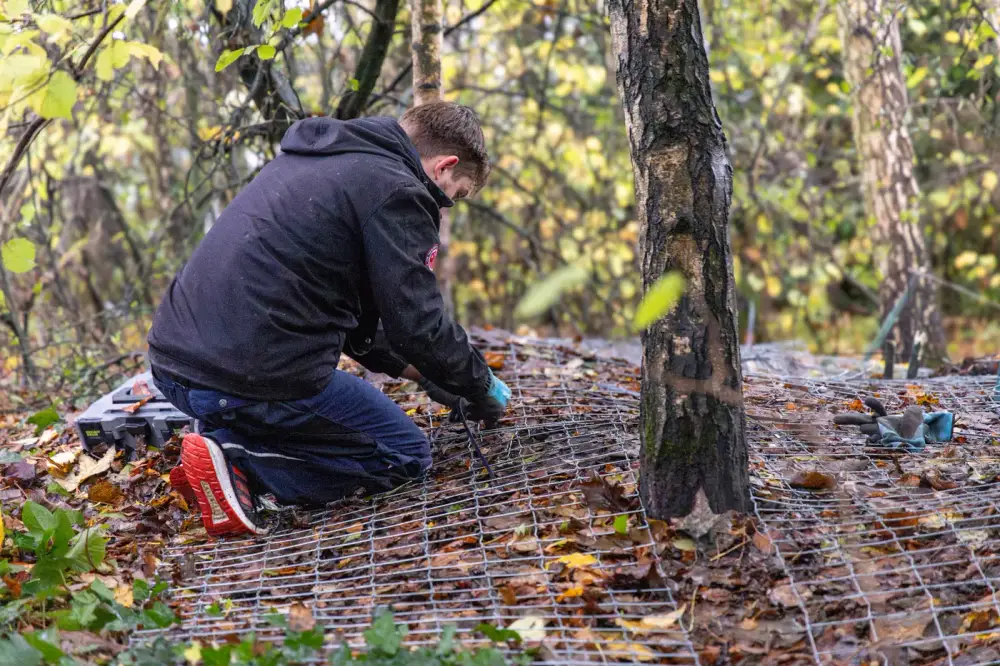
Badger Relocation Behind School Playing Fields
Humane, licensed relocation of badgers from woodland behind a school, keeping children safe and wildlife protected.
Read case study →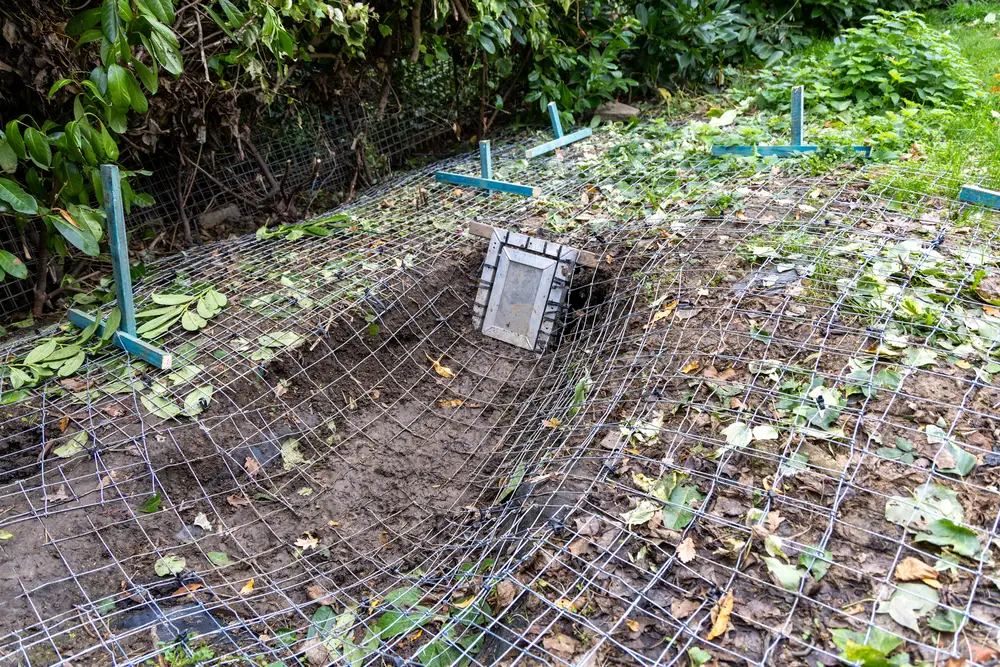
Badger-Proofing a Residential Garden
Nine active sett entrances in a residential garden secured humanely with Natural England-approved one-way gates and mesh.
Read case study →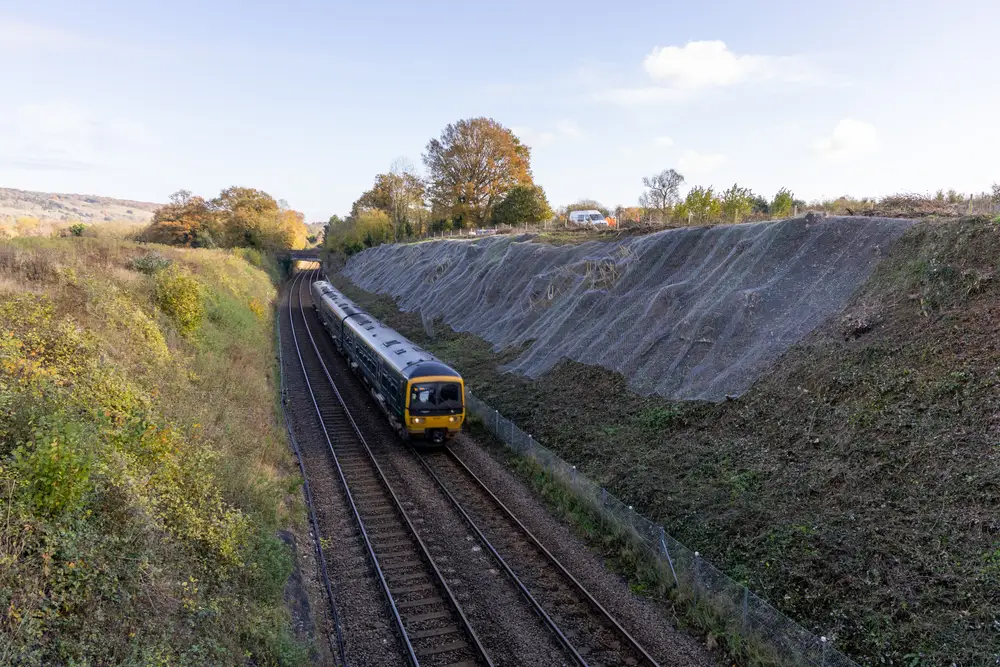
Railway Embankment Badger Sett Closure
Humane, Natural England-licensed closure of badger setts destabilising a railway embankment, relocating badgers safely and securing infrastructure.
Read case study →Protected wildlife on your site?
Book a free virtual survey and we'll advise on the licensed, humane route for your site — fast, compliant, and right first time.