Ecology services
Badger Impact Assessments
Understand exactly how badgers affect your site before they affect your timeline, your budget, or your planning consent.
Background
A badger impact assessment is a vital tool for understanding the potential risks and challenges that badger activity poses on a site. Our Natural England-licensed ecologists carry out detailed site visits to identify and map the features that matter: sett locations and their status, well-worn badger paths and runs, latrines, snuffle holes and feeding signs.
From this evidence we build a clear picture of how badgers are using your land and how that use intersects with your plans. The assessment evaluates the practical consequences of that interaction, from property damage and soil instability through to the legal and programme risk of disturbing a protected species.
Badgers and their setts are strictly protected under the Protection of Badgers Act 1992. It is an offence to damage, destroy or obstruct access to a sett, or to disturb a badger occupying one, unless the work is carried out under a licence issued by Natural England. Getting this right from the outset protects both the wildlife and your project.
Our approach
We follow a structured, evidence-led process so that every recommendation we make is defensible to your planning authority and proportionate to the actual risk on the ground.
- Walkover and sett survey to confirm presence, classify each sett (main, annexe, subsidiary or outlier) and establish whether it is currently active.
- Activity monitoring where status is uncertain, using field signs and, where appropriate, monitoring techniques to confirm occupation before any decisions are made.
- Impact analysis that weighs your proposals against the badgers’ use of the site and identifies the specific pressure points.
- A written assessment and mitigation strategy suitable for submission with a planning application or to discharge a planning condition.
Throughout, our work is humane and ethical. Crown & Burrow never harms badgers; our role is to find the lawful, practical route that lets development and a healthy badger population coexist.
The Problem
Left unassessed, badger activity creates real and often underestimated risk:
- Property and ground damage. Setts and tunnelling cause erosion, subsidence and soil instability that can undermine foundations, paths, drainage and retaining structures.
- Ecological and land-use conflict. Unmonitored activity can lead to ongoing badger-human conflict and clashes between land management and wildlife protection.
- Unplanned cost and delay. Discovering a sett mid-construction is the worst outcome. Works must stop, the law applies regardless of programme, and a Natural England licence cannot be rushed, which means unplanned costs and stalled sites.
Because licensed sett closures cannot be carried out during the breeding closed season (roughly 1 December to 30 June), a sett found at the wrong moment can hold a project for months. Early assessment removes that uncertainty.
Our Solutions
Our assessments give property owners and developers a clear understanding of the impacts on their site, enabling effective planning and mitigation that supports both sustainable land use and wildlife preservation. Depending on what we find, we design and deliver a tailored package that may include:
- Mitigation plans for developers that satisfy planning conditions and demonstrate compliance.
- Badger exclusion fencing and sympathetic design to keep badgers clear of works while retaining their access to foraging habitat.
- Licensed sett closures, carried out under a Natural England licence using one-way gates and stainless-steel mesh over a minimum 21-day exclusion period, only outside the breeding closed season.
- Construction of artificial or alternative setts to provide secure replacement accommodation where a sett must be closed.
- Habitat restoration, monitoring and maintenance to ensure mitigation works as intended over time.
- Disease management advice, including bovine TB context, where relevant to your land.
Where a site supports other protected species, we can also arrange complementary surveys, such as bat surveys for development affecting buildings or trees, helping you address multiple ecological constraints in one coordinated programme.
Every project is grounded in current legislation and best practice, so the strategy we hand you stands up to scrutiny and keeps your works lawful.
If you are planning development, groundworks or a land-use change where badgers may be present, book a survey early and let us turn an unknown into a clear, compliant plan. Call us on 01483 387478 or email badgers@crownandburrow.co.uk to arrange a site visit.
Common questions
Badger Impact Assessments — FAQs
When do I need a badger impact assessment?
Will an active sett stop my project?
How long does a licensed sett closure take?
Our work
Related case studies
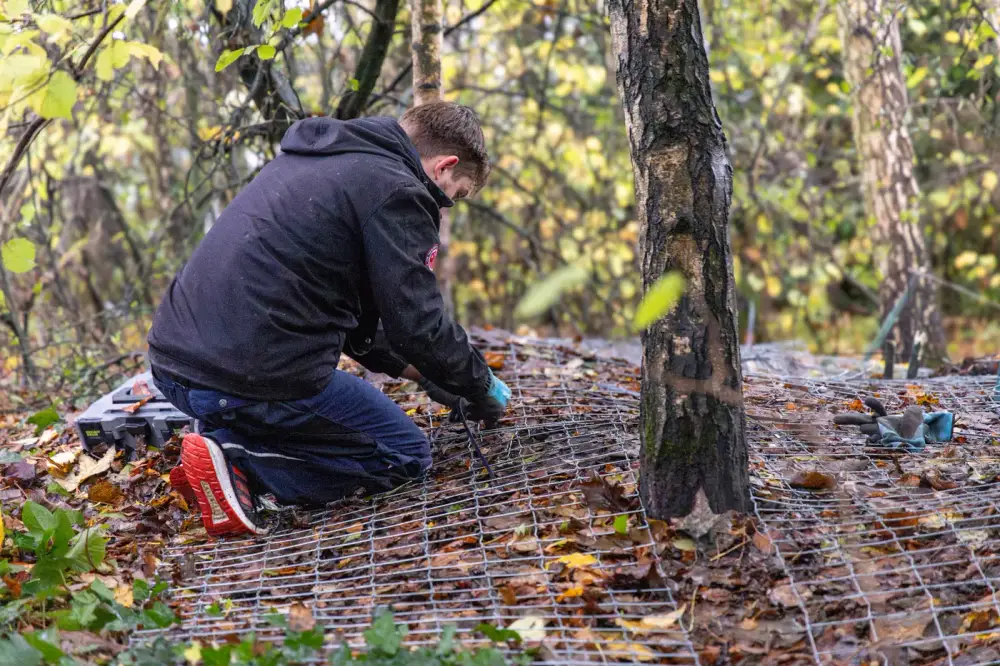
Badger Relocation Behind School Playing Fields
Humane, licensed relocation of badgers from woodland behind a school, keeping children safe and wildlife protected.
Read case study →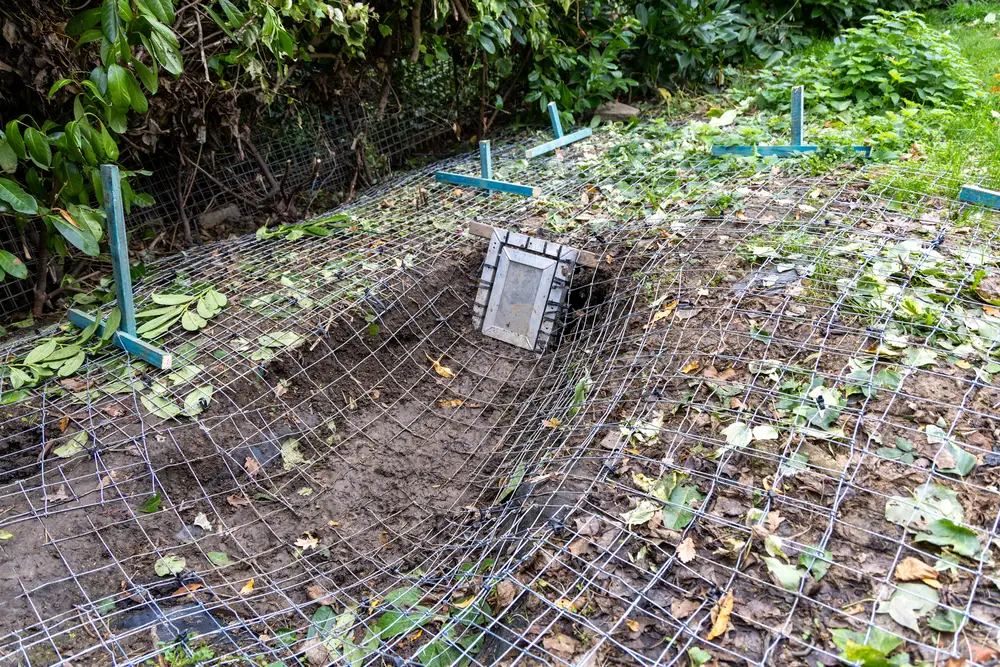
Badger-Proofing a Residential Garden
Nine active sett entrances in a residential garden secured humanely with Natural England-approved one-way gates and mesh.
Read case study →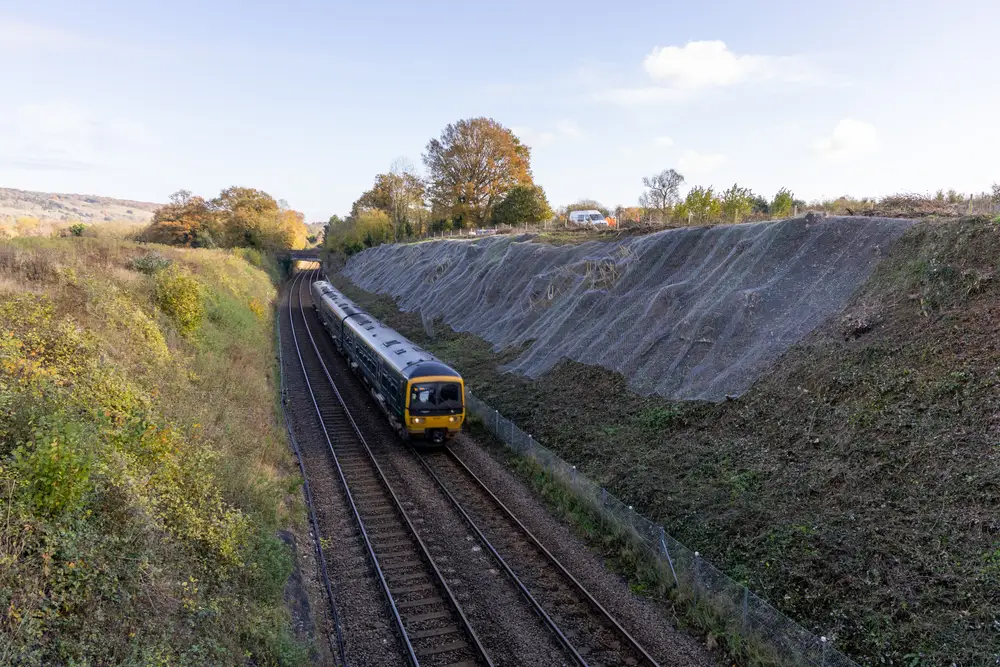
Railway Embankment Badger Sett Closure
Humane, Natural England-licensed closure of badger setts destabilising a railway embankment, relocating badgers safely and securing infrastructure.
Read case study →Protected wildlife on your site?
Book a free virtual survey and we'll advise on the licensed, humane route for your site — fast, compliant, and right first time.