Ecology services
Habitat Restoration
We rehabilitate land affected by badger activity, returning it to a stable, healthy and ecologically sustainable condition.
Background
Crown & Burrow’s habitat restoration service rehabilitates landscapes affected by badger activity, returning them to a stable, healthy and ecologically sustainable condition. Badgers are powerful diggers and active foragers, and over time their setts, excavations and feeding signs can cause soil erosion, plant loss and structural instability across a site.
As a Natural England-licensed badger ecology firm based in Guildford, Surrey, we approach restoration as one part of a wider, lawful and humane management process. Badgers and their setts are legally protected under the Protection of Badgers Act 1992, so restoration is always carried out with full regard for the animals and the law, never at their expense.
Our restoration work is tailored to the setting, whether that is a private garden, an area of woodland, a railway or highway embankment, or agricultural land. In each case the aim is the same: to repair the immediate damage and leave behind a landscape that is more resilient than before.
Our approach
Every restoration scheme begins with understanding the site. We carry out a badger survey to confirm sett status and activity, then assess the extent of the damage and the condition of the surrounding habitat. This tells us what can be repaired straight away and what must wait until any licensed sett works are complete.
We work alongside ecologists to choose plants, seed mixes and materials that suit the local conditions, support biodiversity and help prevent further degradation. Native vegetation is favoured throughout, so the restored area knits back into its surroundings rather than standing apart from them.
Our typical methods include:
- Erosion control to halt active soil loss and protect slopes, banks and disturbed ground.
- Soil stabilisation to re-establish a sound, workable surface where digging and foraging have undermined it.
- Reseeding with native vegetation to restore ground cover, root structure and habitat value sustainably.
- Monitoring and maintenance so that the new planting establishes and the site stays stable over time.
Because restoration often sits within a larger badger mitigation scheme, we coordinate it with related work such as licensed sett closures, artificial or alternative sett construction, exclusion fencing and impact assessments for planning, so the whole project moves forward in the correct legal sequence.
The Problem
Left unaddressed, the effects of badger activity tend to compound rather than settle. The most common issues we are called in to resolve are:
- Erosion and landscape damage, where digging and foraging strip ground cover and destabilise soil, banks and embankments.
- Loss of land usability and stability, as undermined or eroded ground becomes difficult or unsafe to use for its intended purpose.
- Disruption to biodiversity, where soil and plant degradation removes habitat and food sources that local species depend on.
These problems rarely stay contained. Erosion spreads, bare soil resists recolonisation, and a once-healthy patch of garden, woodland or farmland steadily loses both its ecological value and its practical use.
Our Solutions
Our habitat restoration services repair and stabilise affected areas, enhancing land productivity and promoting a healthy, balanced ecosystem. We treat the cause as well as the symptoms, pairing physical repair with ecologically informed planting so the recovery lasts.
The result is land that is structurally sound, attractive and genuinely sustainable: stabilised soils, restored native vegetation, and a habitat that supports rather than excludes local wildlife. Where appropriate, we keep watch through a monitoring and maintenance phase, stepping in early if any area needs further attention.
Throughout, our work remains strictly humane and ethical. Crown & Burrow never harms badgers; our restoration sits within a lawful programme of survey, mitigation and aftercare designed to protect both the landscape and the animals that share it.
If your land has been affected by badger activity, the first step is a survey to understand exactly what you are dealing with. Call us on 01483 387478 or email badgers@crownandburrow.co.uk to book a badger survey and discuss a tailored restoration plan for your site.
Common questions
Habitat Restoration — FAQs
Do I need a Natural England licence for habitat restoration work near a badger sett?
When can restoration and ground works take place?
What does habitat restoration after badger damage actually involve?
Our work
Related case studies
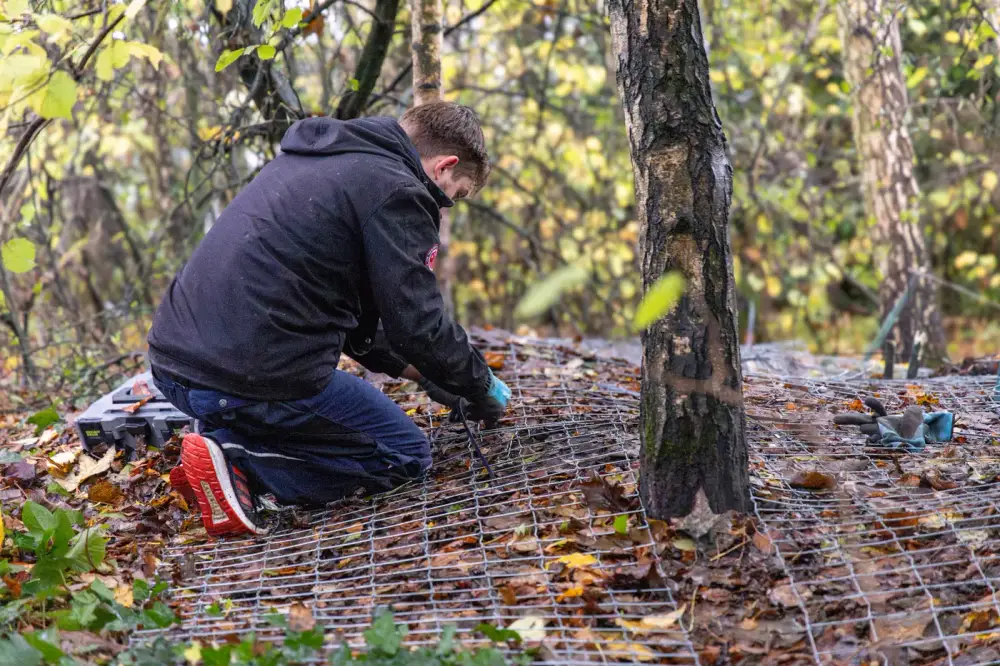
Badger Relocation Behind School Playing Fields
Humane, licensed relocation of badgers from woodland behind a school, keeping children safe and wildlife protected.
Read case study →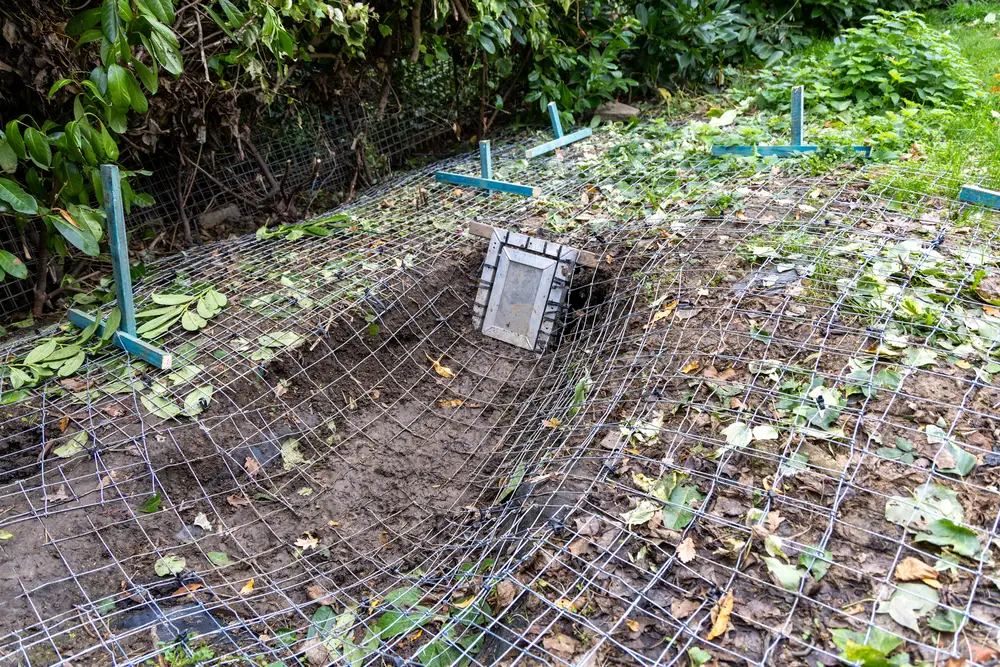
Badger-Proofing a Residential Garden
Nine active sett entrances in a residential garden secured humanely with Natural England-approved one-way gates and mesh.
Read case study →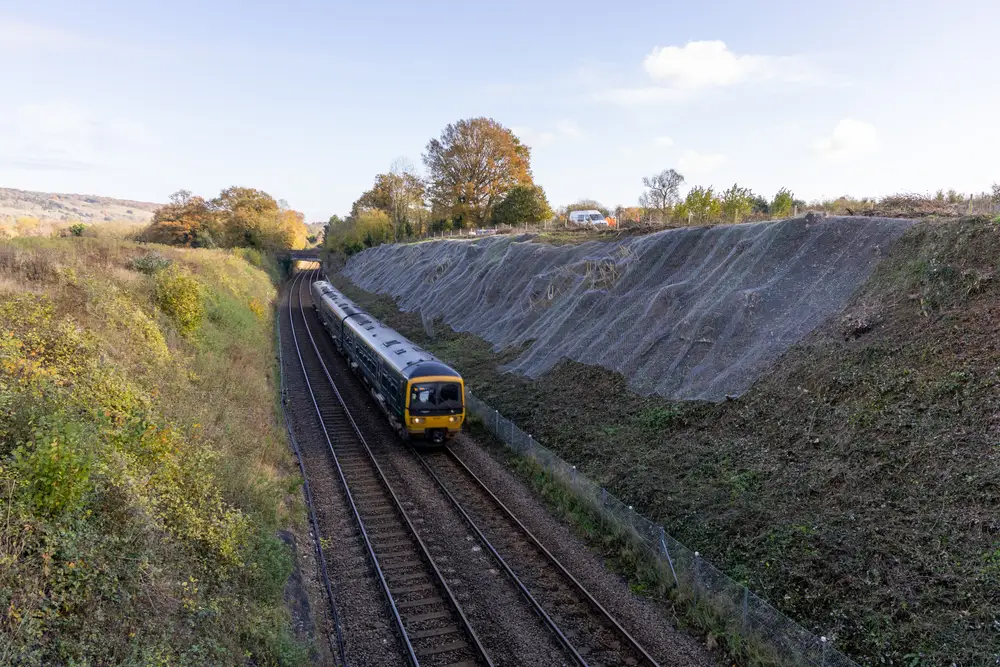
Railway Embankment Badger Sett Closure
Humane, Natural England-licensed closure of badger setts destabilising a railway embankment, relocating badgers safely and securing infrastructure.
Read case study →Protected wildlife on your site?
Book a free virtual survey and we'll advise on the licensed, humane route for your site — fast, compliant, and right first time.